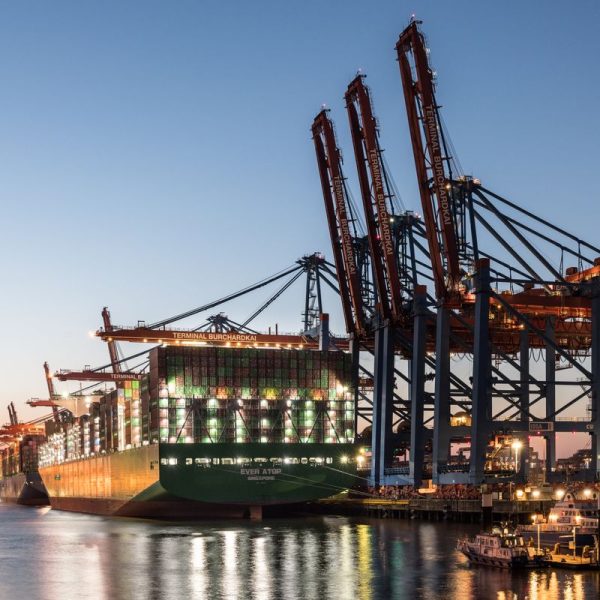
A Rotterdam based import export firm nearly lost a shipping contract last spring when a customs officer flagged an inconsistency between the Dutch and Ukrainian versions of a single supply agreement that nobody on the team had actually reviewed side by side.
Why Cross Border Paperwork Punishes Small Mistakes
International trade runs on paperwork that must match exactly across every language involved. A single mistranslated clause in a contract or customs declaration can delay a shipment for weeks and cost far more than the original translation would have cost.
Firms that treat translation as an afterthought often discover this the hard way when a partner or regulator flags a discrepancy that a careful review would have caught long before the documents ever left the office.
Choosing A Reliable Partner From The Start
Businesses expanding into new markets increasingly rely on an established translation company that understands both the linguistic nuance and the legal formatting each destination market actually expects from official documentation.
A provider without genuine experience across multiple sectors can produce a translation that reads smoothly yet still fails to satisfy the specific terminology a customs authority or trade partner requires for acceptance.
Why Trade With Ukraine Requires Extra Attention
Dutch companies rebuilding trade relationships with Ukrainian partners face a market where regulatory requirements continue shifting as the country works through reconstruction and renewed international commerce at the same time.
Firms serious about this corridor increasingly commission dedicated ukrainian translation services for contracts customs paperwork and technical specifications rather than relying on a generalist who lacks current regional knowledge.
What Separates A Dependable Provider From A Risky One
A dependable provider assigns translators who specialise in the relevant industry and understand the regulatory context of both the origin and destination country before a single sentence gets written for the client.
A risky provider applies the same generic approach to every project regardless of subject matter. This shortcut might work for casual correspondence but consistently fails when contracts or customs filings demand precision.
Building A Vetting Process That Actually Works
Companies evaluating a new translation partner should request sample work from a project in a similar industry rather than accepting a generic portfolio that says little about actual subject matter expertise.
Asking how a provider handles terminology consistency across a long running relationship also reveals whether they maintain glossaries and style guides or simply start fresh with every new document that arrives.
The Hidden Cost Of Inconsistent Terminology
Two different translators working on related documents without a shared glossary often produce two different terms for the same product or legal concept. Partners who compare documents side by side notice this instantly.
This inconsistency erodes trust even when every individual sentence is technically accurate. A partner who spots mismatched terminology naturally starts questioning the reliability of everything else in the paperwork.
Catching it is a separate job from translating. A proofreader working through three related contracts together will spot a product name rendered two ways where three separate translators never would. PoliLingua takes proofreading as a standalone job which suits a firm whose documents were translated by different people over several years. Budgeting for that pass costs less than the customs query it prevents.
Questions Worth Asking Before Signing A Contract
A handful of direct questions reveal more than a polished sales pitch ever could. Does the team maintain a shared glossary across projects. Who reviews the final document before delivery. Can previous clients in a similar sector be contacted.
Providers who answer these questions with specific detail almost always have a proven process behind them rather than simply promising quality without being able to explain how that quality gets delivered consistently.
Preparing Documents Before A Deadline Arrives
Companies that gather every source document well ahead of a shipping or filing deadline give their translation partner enough time to produce accurate work instead of rushing under unnecessary last minute pressure.
A short planning call at the start of a project often uncovers additional requirements that would otherwise surface too late for the team to address without risking the entire timeline of the transaction.
Every trade deal needs a reliable translation company because the commercial terms and the legal terms are read by different people. When documents must be filed rather than merely understood, certified translation services are what make them acceptable to the receiving authority. Certification is the bridge between the two audiences.
Trade negotiations rarely conclude on documents alone; there is usually a room, a table and two sides that need to understand each other in real time. That is where professional interpretation services earn their fee, particularly once a session moves from prepared positions into genuine bargaining. Written accuracy and spoken accuracy are separate purchases.
Trade deals depend on trust between parties who cannot verify each other directly, which is why intermediaries matter so much. A reliable translation partner is functionally part of the counterparty risk assessment. That is a familiar calculation for any global business dealing across jurisdictions.
Understanding Regional Variation Within Trade Documents
Even standard commercial terms can carry different expectations depending on the receiving authority. A translator familiar with regional customs conventions produces paperwork that clears review far more smoothly than a literal word for word rendering.
Partners who understand both the originating business culture and the destination regulatory environment bridge this gap far better than someone working purely from a dictionary without practical trade experience.
A Careful Approach Pays Off More Than A Rushed One
Firms planning any cross border transaction should treat translator selection as a genuine business decision rather than a quick task handed to whoever quoted the lowest price during a rushed comparison search.
Getting this right early reduces enormous stress later once a shipment or filing depends entirely on documentation that must be accepted the first time without triggering a costly resubmission process.
Training Internal Teams To Prepare Stronger Source Files
Staff who understand basic translation principles produce source documents that convert far more cleanly into another language from the first draft. Avoiding ambiguous phrasing saves translators considerable back and forth during review.
Companies that run a short internal session on writing translation friendly documents often notice faster turnaround times and fewer clarification requests throughout the entire process from drafting to final delivery.
Measuring Translation Quality Over Time
Firms that judge a translation partner purely on first impressions often miss patterns that only become visible once errors and delivery times get tracked systematically across many projects and several years of collaboration.
Reviewing this data on a regular schedule helps a company catch a provider whose quality has started slipping before an important contract or shipment suffers the consequences of documentation nobody double checked carefully.
Coordinating Multiple Markets Within One Trade Strategy
Companies expanding into several markets at once often work with multiple translation providers simultaneously and this creates real coordination challenges when terminology needs to stay consistent across every regulatory filing.
A shared terminology base accessible to every provider involved prevents the confusion that arises when two different teams translate the same commercial term two different ways across related documents in the same transaction.