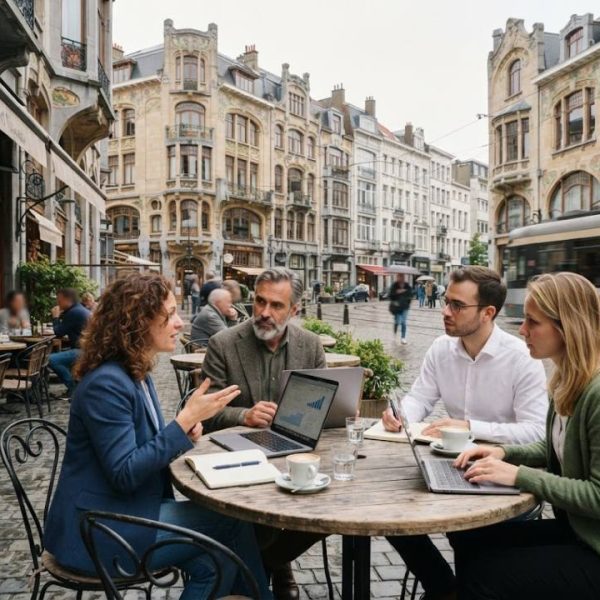
For companies in the Netherlands and Flanders, French is never far away. Wallonia and Brussels sit just across the language border, France is one of the largest export markets in Europe, and many international organisations in Brussels work in French every day. Yet many Dutch-speaking businesses still rely on colleagues with school French for important texts.
That approach works for a quick email. It does not work for contracts, product packaging, websites or public tenders. Here is why professional French translation services matter, and how to use them well.
Belgium Makes French a Legal Matter
Belgium has strict language legislation. Depending on the region, certain documents must be drawn up in French, Dutch or German. Employment documents, public communications and some commercial texts are subject to these rules. The federal portal belgium.be offers an overview of how the country's language communities and institutions are organised.
For a Flemish company hiring staff in Wallonia or bidding for public work in Brussels, correct French is not a courtesy. It can be a legal requirement.
Belgian French Versus French From France
Belgian French differs from the French spoken in Paris in vocabulary, number words and administrative terms. Belgians say "septante" and "nonante" for seventy and ninety. Legal and tax terminology follows Belgian institutions. A text written for a French audience may sound slightly foreign in Liège or Namur, and vice versa.
Professional translators ask which market the text is for and adapt accordingly. If you target both Belgium and France, you may need two versions or one carefully neutral one.
Three Directions, One Brand
Dutch and Belgian companies often work in three languages at once: Dutch internally, English for international partners, and French for the southern Belgian market and France. That creates a practical question. Should French be translated from Dutch or from English?
The best answer is usually the original language, translated by a native French speaker who reads it fluently. Every extra step through a bridge language adds small distortions. English to French translation services make sense when English is the true source, for example with international product documentation.
Official Documents Need Certification
Company statutes, powers of attorney, court documents and personal records often need an official translation for use in France or Belgium. Certified French translation services provide translations by sworn translators, with the stamp and declaration required by the receiving authority. Always check whether an apostille or legalisation is also needed.
Common Content Types
- Websites and e-commerce product information
- Packaging, labels and safety instructions
- Employment contracts, staff handbooks and payroll documents
- Tender documents and public procurement files
- Marketing campaigns and social media content
- Annual reports and investor communications
Tone and Culture
Dutch business communication is famously direct. French business writing is more formal, more structured and often more elaborate. A Dutch sales email translated word for word into French can sound abrupt. A French letter translated literally into Dutch can seem long-winded. Good translators adjust tone so the message lands as intended in each culture.
Beyond French
Benelux companies are increasingly active in Central and Eastern Europe. Logistics firms, agricultural exporters and tech companies may need content in Ukrainian or Russian as well. A qualified English to Ukrainian translator can work from the same glossary you use for French, and professional Russian English translation covers partners across the wider region.
Keeping It Consistent
When content exists in three or four languages, consistency becomes the real challenge. Product names, technical terms and legal phrases must match across every version. Translation memory and shared glossaries make that manageable, and they also reduce costs because repeated sentences are reused automatically.
Websites and SEO in French
A French version of your website only works if French speakers can find it. Search terms in French rarely match a literal translation of your Dutch or English keywords. Belgian and French users may also search differently. Include French keyword research in the project, translate meta titles and descriptions, and make sure each language version is properly linked so search engines show the right page to the right audience. Small details, such as local phone numbers and addresses on the French pages, also build trust with visitors from Wallonia and France.
Choosing a Provider
Look for native French translators with experience in your sector, the ability to handle Belgian and French variants, certified translation when needed, and a review step for important content. PoliLingua's French translation services cover document, legal, marketing and technical translation, including certified work and French Canadian variants for companies expanding further afield.
Practical Tips
Specify the target country. Share glossaries and previous translations. Send editable files rather than PDFs where possible. Allow time for review by a French-speaking colleague or distributor. And plan translation into your project schedule rather than leaving it to the last week.
The Takeaway
For Dutch and Flemish companies, French opens a large and nearby market. Professional French translation turns that proximity into real business, with texts that respect local law, culture and expectations.